
IVR vs. Conversational AI: When to Use Each in Your Contact Center
Traditional IVR and conversational AI compared: strengths, limits and how to combine them in your contact center for better call routing.
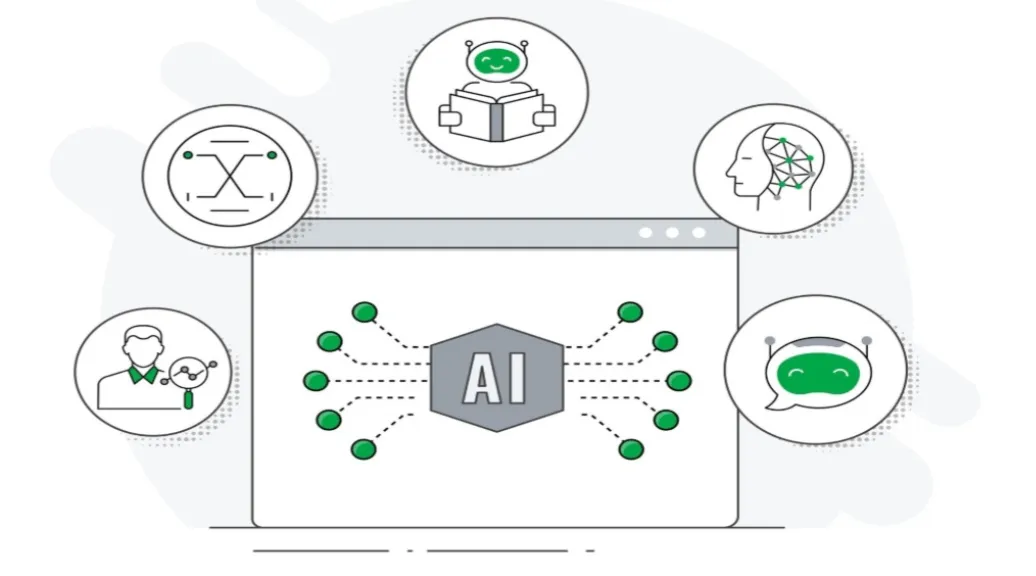
The IVR vs. conversational AI debate is understandable, given how many new technologies businesses are experimenting with. The first impression your contact center makes can shape the whole customer experience, and the two approaches have very different strengths and weaknesses.
First, let’s define the terms.
- Traditional IVR (Interactive Voice Response): a touch-tone (DTMF) system that guides callers through rigid, pre-programmed decision trees. “Press 1 for billing, 2 for support”, with no room to deviate from the script.
- IVR with speech recognition: a more advanced layer that accepts spoken keywords (saying “billing” instead of pressing 1) but still follows fixed paths. It recognizes words, not intent.
- Conversational AI: a system built on natural language understanding (NLU) that interprets context, sentiment and open-ended requests.
Is IVR really artificial intelligence?
Generally, no. Even with basic speech recognition, an IVR cannot sustain a multi-turn dialogue or truly recognize intent: pressing a key or saying a keyword is pattern matching, not understanding.
The question that matters remains: which one gives customers a better experience? IVR makes callers navigate your internal structure, but in small doses it is fast and simple. Conversational AI inverts the model and resolves the request through natural dialogue. Some customers distrust AI on principle, though, so careful implementation matters here too.
How they differ in practice
An over-complicated IVR hurts the experience and lengthens resolution time: every menu level adds friction. A conversational system can open with a simple question such as “How can I help you today?” The caller describes the problem in their own words, and the call is routed or resolved accordingly.
| Aspect | Traditional IVR | Conversational AI |
|---|---|---|
| Input method | Keypad (DTMF), fixed numeric choices | Natural speech, any phrasing |
| Experience | Linear menus, preset branches | Open dialogue that adapts to intent |
| Ideal use cases | Simple routing, balance lookups, password resets | Complex troubleshooting, appointment booking, personalized account handling |
| Unexpected input | Repeats the menu or transfers to an agent | Interprets intent or escalates to an agent |
Where IVR still delivers value
IVR is reliable for high-volume, low-complexity tasks:
- Simple routing, such as sending a caller to billing, sales or technical support with a single keypress.
- Static data lookups, such as order status or a balance, with no interpretation needed.
- Guided procedures, such as identity checks in a fixed sequence of steps.
These paths are predictable. Because the logic is scripted, an IVR can be configured quickly and maintained without training any model.
Where conversational AI performs better
The conversational approach suits cases where caller intent varies or the resolution takes several steps:
- Multi-step support, including out of hours, with diagnostic steps that change depending on the answers.
- Appointment scheduling: checking availability, confirming preferences and booking into your calendar or CRM.
- Personalized account handling, using customer-specific data and suggestions based on history.
It can also reduce abandonment: speaking naturally instead of working through a menu makes the interaction shorter and more productive, even when the request is involved.
The best answer is a hybrid
The most effective contact centers don’t choose one or the other. IVR handles the initial triage quickly; AI-based tools step in where understanding intent and context matters. What counts is how well your platform connects automation to people.
EagleMercury Contact Center gives you the tools to strike that balance:
- Custom IVR, including multi-level and multilingual menus, with speech recognition (Elite plan).
- Skills-based routing (ACD): each request reaches the most qualified agent, with the conversation context.
- Automatic callback instead of waiting in a queue.
- AI features: transcription and sentiment analysis, plus, with AI Advanced, AI Agent Assist, which suggests answers and procedures to the agent during the call.
One point to be clear about: EagleMercury’s AI tools support the agent rather than replacing your voice with an autonomous bot. If you are evaluating a fully automated voice assistant, let’s talk about what your case actually needs.
In short
- IVR is built for efficiency: it handles high volumes, routes predictable requests and keeps costs down.
- Conversational AI is built for experience: it interprets intent rather than key presses.
- A hybrid approach with good routing to the right agent works better than an either/or choice.
Want to modernize call routing in your contact center? Contact us to discuss it.