What Is an AI Call Center? How It Works and Why It Matters
What an AI call center is, how AI and agents work together before, during and after each call, and the benefits for customers, agents and supervisors.
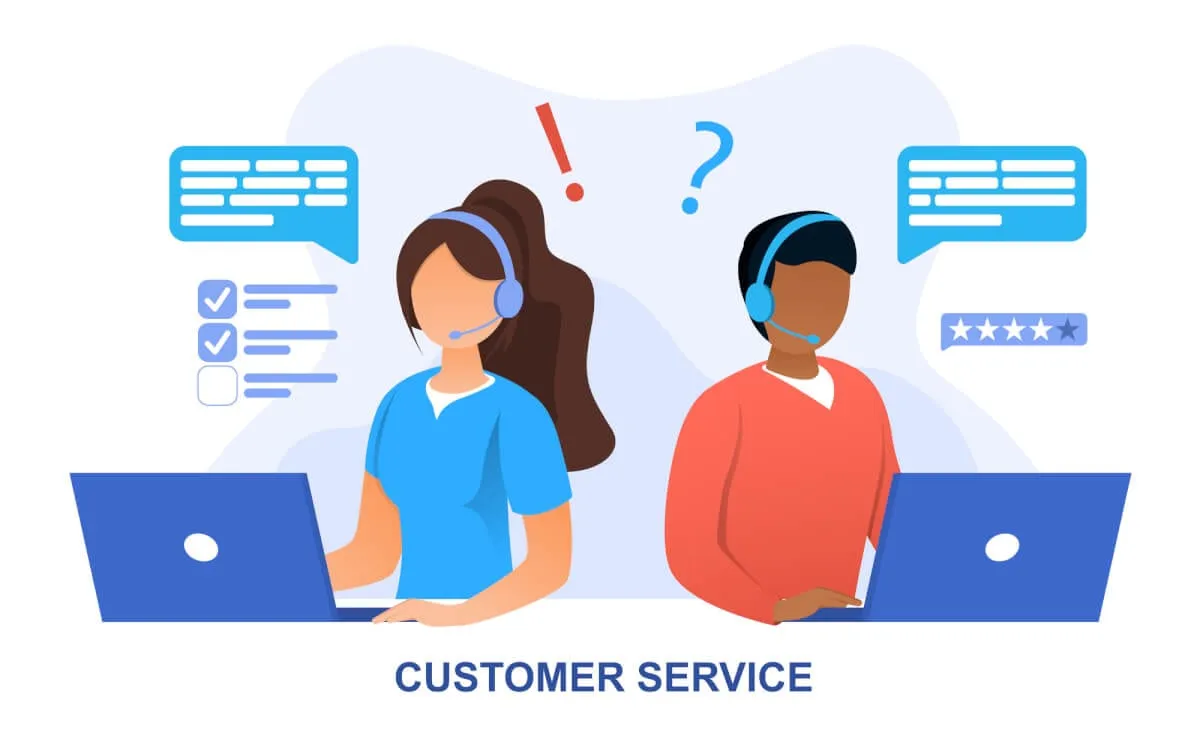
The last thing your customers need is a maze of phone menus followed by a twenty-minute hold. Yet for years, that is exactly what many call centers have delivered.
An AI call center sets out to fix this and several other problems: speech recognition, natural language understanding and generative AI work alongside human agents to resolve requests faster and more accurately. The key point is that AI does not replace your people. It removes the most repetitive parts of the job and leaves agents free to do the work only they can do.
What an AI call center is
It is a customer service operation in which artificial intelligence supports every stage of the contact. Three technologies do most of the work:
- Speech recognition and transcription: they turn spoken language into text, in real time or on recorded calls.
- Natural language processing: it interprets the content, tone and sentiment of the conversation. Is the caller confused? Frustrated? About to cancel?
- Generative AI: it summarizes conversations, suggests answers and procedures, and proposes the next step.
Together, these technologies change how a call is routed, handled and analyzed afterwards.
How it works, step by step
Before the call is answered: IVR and routing
Everything starts before the agent picks up. Instead of the classic “press 3 to speak to an agent”, an IVR with speech recognition lets customers simply say why they are calling. Skills-based routing then sends the contact to the most suitable person, and automatic callback spares customers long waits in the queue.
When a transfer is needed, the conversation moves to the colleague together with its context, so the customer does not have to start over. EagleMercury Contact Center offers all of these features, along with a customer record showing the history of interactions across voice, email, chat, SMS and WhatsApp.
During the call: agent assistance
While the customer is talking, AI works in the background. With the AI Advanced package of EagleMercury Contact Center, the conversation is transcribed and analyzed in real time, and AI Agent Assist shows the agent relevant answers and procedures as soon as a topic comes up, together with a suggested next action.
No more frantic searching through tabs and documents: agents answer with confidence, work under less stress, and customers get a smoother experience. The AI knowledge base assistant also helps colleagues who have only just joined.
After the call: summaries and continuous improvement
When the call ends, the automatic summary and AI Recap record the outcome, the topics discussed and the next steps. Agents do not have to write notes, and the company gets a clean, easy-to-search history.
Every interaction also becomes material for improvement:
- sentiment and keyword search brings up the conversations in which customers were unhappy;
- the optional AI Agent Evaluator automatically assesses the quality of interactions;
- AI Interaction Insights identifies trends and recurring topics across contacts.
Supervisors, for their part, follow queues and agents on real-time dashboards and can listen in, whisper or barge in when a conversation starts to go wrong.
Less repetitive work, less agent fatigue
In many customer service teams, a large share of contacts are routine requests: order status, an invoice, a password reset, opening hours. They are simple questions, but they take time away from the people who should be handling complex cases, such as a dispute or a difficult technical problem, where human judgment is needed.
An AI call center eases this load in several ways:
- IVR with speech recognition sends each request to the right place straight away;
- proactive notifications by voice, SMS and email keep customers informed before they need to call;
- chat, SMS and WhatsApp let you reply on the most convenient channel, from the same console;
- transcripts and summaries remove much of the admin work after each contact.
The result shows on two fronts: average handle time (AHT) on simple requests goes down, and agents freed from repetitive tasks give more attention to the cases that matter. Quantity and quality improve together.
Where to start
The move is easier than it looks, especially with a cloud platform. A few practical tips:
- Analyze why customers contact you. Which requests come in most often? Which take the longest?
- Start with a specific use case, such as first-line support or administrative queries.
- Measure the results: handle times, abandoned calls and customer satisfaction surveys.
- Take care of privacy. If you record and analyze conversations, inform your customers and define access rights and retention periods in line with GDPR.
With a cloud service there is no physical PBX and no hardware work: you add agents when you need them and connect the platform to the CRM you already use, such as Salesforce, Dynamics 365 or Zendesk, or to Microsoft Teams. The telephony of EagleMercury Elevate comes with a 99.999% availability SLA, and the AI features complete the picture beyond the contact center.
In short
- An AI call center combines speech recognition, language understanding and generative AI to support agents before, during and after every call.
- AI does not replace people: it takes care of repetitive tasks and leaves agents the cases that call for judgment and empathy.
- The benefit is twofold: shorter handle times and more attentive service.
Want to bring AI into your customer service? Contact us through the form and we will come back with a tailored proposal.